
I run a small dog boarding and daycare setup outside a farming town, and over the years, I have seen a few cases of parvo come through the door. Some dogs bounced back after aggressive treatment, while others went downhill frighteningly fast in less than two days. The hardest part is that early parvo often doesn’t look dramatic at first. A puppy can seem a little tired in the morning and be in an emergency clinic by that night.
The First Signs That Make Me Suspicious
The first thing I watch for is a sudden drop in energy. Puppies especially tend to crash hard with parvo. One minute, they are chewing leash clips and wrestling with other dogs; the next, they are curled up in a corner, refusing food and barely lifting their head. That change matters more to me than a single episode of vomiting.
Loose stool by itself does not automatically mean parvo. I have seen dogs get diarrhea from stress, cheap treats, dirty puddle water, and switching kibble too quickly. What changes the picture is the smell and frequency. Parvo diarrhea often has an overpowering odor that people remember afterward, and many dogs cannot stop going every hour or two.
Vomiting usually begins shortly after the dog stops eating. Sometimes it is foamy and clear at first, which tricks owners into thinking the stomach is just empty. I remember a young shepherd mix last winter that threw up only twice during the day, but by evening, he could barely stand without wobbling. The speed of that decline stuck with me.
Fever does not always show up clearly without a thermometer. Some dogs feel warm around the ears and belly, while others shake and act chilled even when the weather is mild. I keep a digital thermometer in my office because guessing wastes time. A rectal temperature over 103 degrees in a lethargic puppy always gets my attention.
Why Age and Vaccine History Matter So Much
I get especially nervous with puppies under six months old. Their immune systems are still developing, and many owners assume one vaccine appointment means full protection. That is rarely true. Most puppies need a series of shots spaced over several weeks before they are considered fully protected.
Dogs that spend time in public areas carry more risk than people realize. Shared grass, apartment dog runs, sidewalks outside pet stores, and boarding kennels can all expose a puppy to parvo, as the virus can survive for a long time on surfaces. I once had to shut down my outdoor play yard for almost a week after a suspected exposure, and cleaning everything thoroughly took hours every day.
New owners often ask me where I send people for reliable pet health information when they panic after spotting symptoms late at night. One resource I have pointed a few clients toward is how to know if your dog has parvo, mainly because it explains the warning signs in plain language without sounding overly technical. Most people just need clear direction before they call their veterinarian.
Adult dogs can catch parvo, too, though I see it less often. Usually, there is a gap in vaccination history, or the dog came from a rough situation where medical care was inconsistent. Rescue dogs sometimes arrive with no records at all, and that uncertainty makes every stomach issue harder to evaluate. I never assume an adult dog is automatically safe.
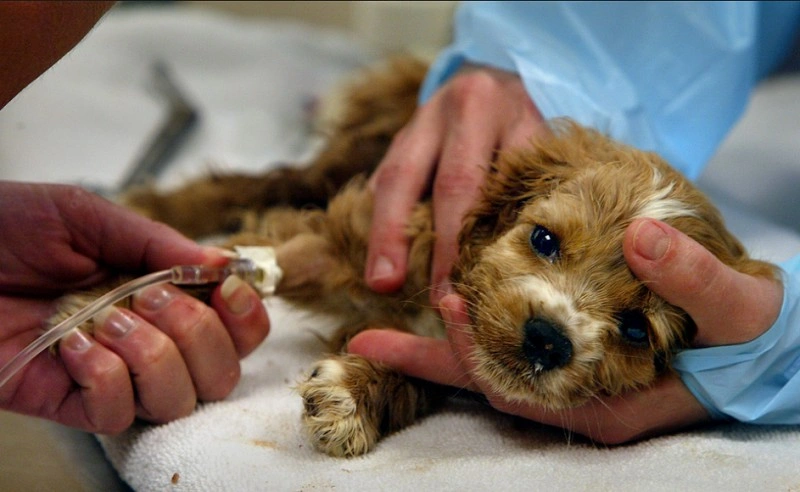
What Parvo Looks Like Up Close
One thing people do not expect is how quickly dehydration sets in. A dog with repeated vomiting and diarrhea loses fluids quickly, especially a smaller puppy weighing under 15 pounds. The gums become tacky rather than slick, and the skin around the shoulders may remain slightly tented when pinched. Those are ugly signs.
Some dogs stop reacting to normal things around them. That scares me more than the mess on the floor. I had a client bring in a young pit bull mix a while back, and the puppy did not even respond when another dog barked directly beside him. He just stared downward and leaned against the owner’s leg.
There is often blood in the stool, eventually, though not always at the beginning. The color can range from streaky red to a darker, almost black appearance. People sometimes wait for bloody diarrhea before taking the problem seriously, but that delay can cost valuable treatment time. Early supportive care is crucial for parvo.
Some dogs also develop a strange look around the eyes. They seem sunken and exhausted, almost like they have not slept in days. Combined with drooling, trembling, and refusing water, it creates a picture that experienced handlers recognize quickly. It feels different from an ordinary upset stomach.
How Vets Usually Confirm It
Most clinics use a quick fecal test first. The test itself does not take long, but timing is important because very early infections can yield false negatives. I have known veterinarians who retested a suspicious puppy the next day because the symptoms lined up too closely to ignore. A single negative result is not always the end of the story.
Bloodwork can show how badly the immune system is being affected. Dogs with severe parvo often have very low white blood cell counts, which makes them vulnerable to secondary infections. Owners rarely see this part directly, as it happens behind the scenes in the clinic, but it heavily influences treatment decisions.
Treatment is usually intense. Many dogs need IV fluids, nausea medication, careful monitoring, and isolation from other animals. I know families who spent several nights sleeping in shifts while their puppy recovered at home after hospitalization. The emotional strain is real, especially with younger dogs that seemed perfectly healthy only days earlier.
Not every dog survives. That part deserves honesty. I have watched strong owners break down in parking lots because they underestimated the illness early on, and by the time treatment started, the puppy was already too weak. Fast action gives a dog the best chance.
What I Tell Dog Owners To Do Right Away
If a puppy suddenly stops eating and starts vomiting, I tell people not to wait around in the hope it clears up on its own. Call a veterinarian the same day. Even if it turns out to be a stomach bug or a dietary issue, the cost of being cautious is lower than losing valuable hours to a real parvo infection.
I also tell owners to isolate the sick dog immediately. Shared bowls, grass areas, blankets, and shoes can all spread contamination. Bleach solutions help on hard surfaces, though they are not practical for every material. Soft items often need to be discarded completely if parvo is confirmed.
Vaccination schedules matter more than fancy supplements or expensive food brands. I have met owners who feed raw diets and premium treats while skipping booster shots because their dogs spend most of their time indoors. That logic falls apart once the virus enters the picture. Shoes alone can carry contamination into a home.
Most people who have dealt with parvo once never forget it. The smell, the exhaustion, and the speed of the illness stay with them for years afterward. I still think about certain puppies from time to time, especially the ones that looked perfectly normal only a day before they crashed. That sudden change is why I take early symptoms seriously every single time.