
As a veterinarian practicing in Texas for over 12 years, I’ve had the chance to observe countless diets and their effects on dogs of all breeds and ages. One brand that often comes up in conversations with pet owners is 4Health. I’ve personally monitored dogs on this food and found it has both strengths and limitations, depending on the dog’s needs.
Ingredients and Nutritional Quality
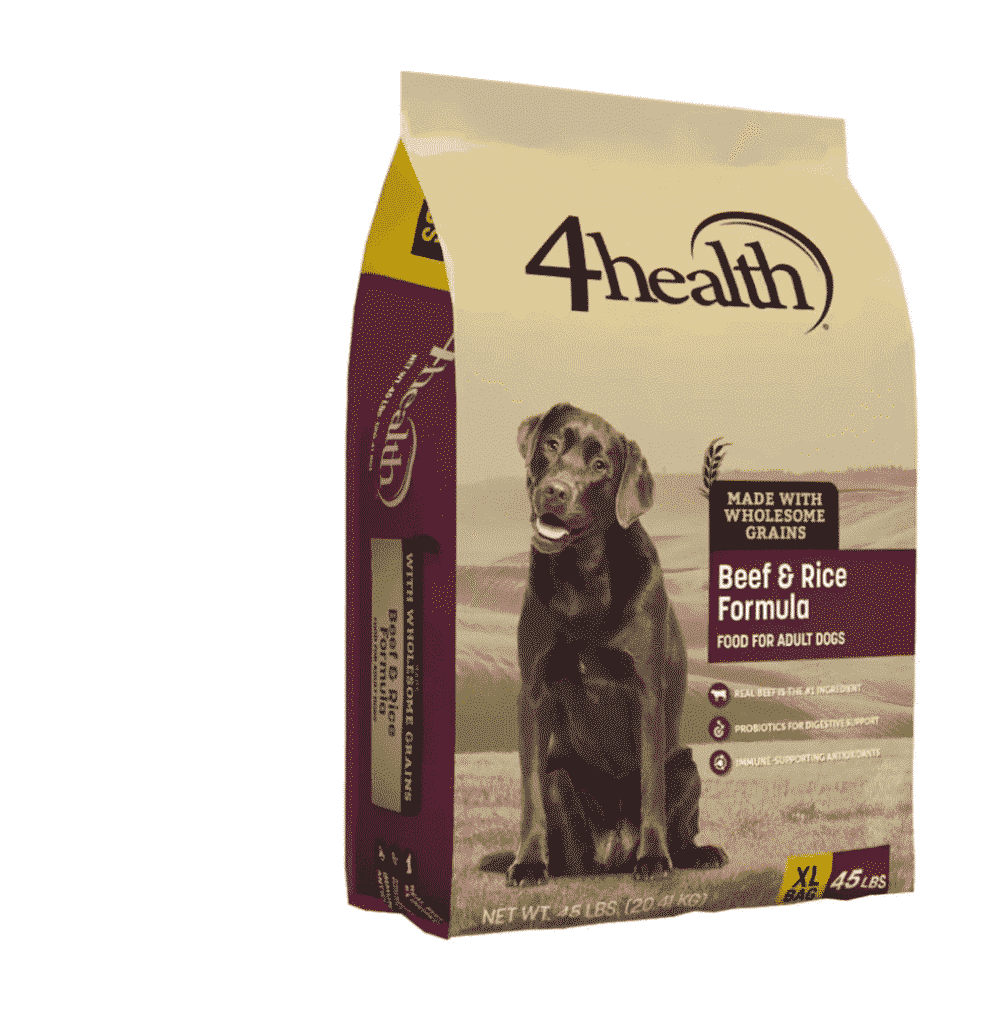
When I first examined 4Health formulas, what stood out was its emphasis on real meat as the first ingredient. For instance, their adult dog recipe often lists chicken or lamb upfront, which is a solid sign of protein quality. In my experience, dogs fed this food tend to have good coat shine and steady energy levels, especially when transitioning from lower-quality kibble.
However, I’ve also noticed that some of their formulas contain grains like corn and wheat. While many dogs tolerate these just fine, I’ve seen a few cases of mild digestive upset, particularly in dogs with sensitive stomachs. One Labrador I treated last year had intermittent loose stools after switching to a grain-inclusive 4Health formula. After moving to their grain-free option, his digestion normalized within a week.
Palatability and Dog Preferences
From my observations, 4Health scores high in palatability. Dogs tend to eat it eagerly, which is always a positive sign for owners struggling with picky eaters. I recall a customer last spring whose senior Beagle had lost interest in her previous kibble; switching to 4Health’s adult recipe made mealtimes enjoyable again for both the dog and the family.
Cost vs. Value
Compared to premium brands, 4Health sits in the mid-range price bracket. In my practice, I’ve found it offers decent nutritional value without being overly expensive. That said, it’s not a substitute for specialized diets for dogs with kidney issues, severe allergies, or obesity. I had a Golden Retriever patient who required a renal-specific diet; while she enjoyed 4Health, it wasn’t the right choice for her medical needs.
Practical Considerations for Owners
One mistake I see owners make is assuming a brand alone guarantees health. 4Health is solid for many healthy dogs, but portion control, routine vet check-ups, and monitoring your dog’s coat, energy, and digestion remain essential. In one case, a client assumed switching to 4Health automatically meant weight management for her overweight Cocker Spaniel. Without adjusting portion sizes, the dog continued gaining weight, which could have been avoided with proper guidance.
Another point I emphasize in my consultations is gradual transition. Some dogs experience minor digestive upset if their diet changes too quickly. I usually recommend a gradual 7–10 day mix of old and new food, and I’ve seen this approach prevent the stomach issues that occasionally occur with 4Health.
Final Thoughts
In my professional experience, 4Health is a good option for many dogs, especially those without special dietary requirements. Its real meat ingredients, reasonable pricing, and palatability make it a reliable choice for general maintenance.
That said, it’s not perfect for every dog, particularly those with sensitive stomachs or specific medical needs. Observing your dog closely after switching and consulting with a vet for personalized advice ensures the choice supports their health and happiness.