I run a small mobile dog grooming setup along the Gulf Coast, and tea tree oil comes up more often than most people realize. Owners ask about it for itchy skin, fleas, hot spots, and even smelly ears. I understand why people are curious because tea tree oil has a strong reputation in human skincare, and plenty of pet products quietly include it in tiny amounts. Still, I have seen enough bad reactions over the years that I never treat it casually around dogs.
Why Tea Tree Oil Makes Me Nervous Around Dogs
Dogs process essential oils differently from people do. Tea tree oil, especially concentrated versions, can become toxic if a dog licks it off their fur or absorbs too much through the skin. I learned that the hard way after a customer last summer used a homemade spray with several drops of pure oil mixed into water and sprayed it directly onto a small terrier’s back. The dog ended up shaky and lethargic, and was taken to an emergency clinic within hours.
Small dogs worry me the most because even a small amount can hit them hard. Cats are even more sensitive, but dogs are far from immune. I have noticed that owners often assume “natural” automatically means safe, and that shortcut causes problems all the time. Tea tree oil has a very strong chemical composition despite being derived from a plant.
One issue is concentration. A shampoo with a trace amount professionally formulated for pets is very different from applying undiluted oil bought online or from a health store. I have handled grooming products where tea tree oil was buried low on the ingredient list, and those usually did not cause trouble during normal use. Straight concentrated oil is another story entirely.
The warning signs can show up faster than people expect. I have heard veterinarians describe drooling, weakness, vomiting, poor coordination, and tremors after exposure. Some dogs just become strangely quiet and sleepy. That change alone is enough for me to tell owners to stop using the product and call their vet.
What I Actually Use Instead for Skin Problems
I rarely recommend tea tree oil anymore because there are safer ways to handle common skin complaints. Oatmeal shampoos, medicated veterinary rinses, and simple allergy management usually get better results without the risk. A senior retriever I groom every six weeks had flaky skin all winter, and switching his bathing schedule plus changing detergents in the home solved most of it within a month.
Some owners still want “natural” options, and I understand that preference. One resource I occasionally point people toward for ingredient breakdowns and pet wellness discussions is the American Kennel Club. I mainly like that it gives people a starting point before they start mixing oils in spray bottles at the kitchen sink. Too many internet recipes skip over dosage and toxicity concerns.
I also remind people that flea issues rarely disappear because of one ingredient. Clean bedding matters. Vacuuming matters. Consistent prevention matters more than homemade oil blends. I have watched owners spend weeks trying DIY solutions while the dog kept scratching the entire time.
There are a few products on the market that contain very diluted tea tree oil and are labeled specifically for dogs. Even then, I stay cautious with puppies, elderly dogs, or breeds with sensitive skin. I patch test products during grooming whenever I use something new. Ten quiet minutes can reveal a lot.
The Biggest Mistakes I See Dog Owners Make
The most common mistake is using concentrated oil straight from the bottle. I still see this happen several times a year. People dab it onto hot spots, ears, or paws because they have used it on themselves before. Dogs lick everything, though, and that changes the risk completely.
Another problem is overdoing dilution. Some online advice says a few drops are harmless in a spray bottle, but nobody explains the actual concentration after mixing or how large the dog is supposed to be. A ninety-pound shepherd and a ten-pound Maltese are not dealing with exposure the same way. Size matters here.
I also see owners combine multiple essential oils without understanding how strong the final mixture can become. Lavender, peppermint, eucalyptus, and tea tree oil all get tossed together into one homemade coat spray. The smell alone can overwhelm some dogs. Their noses are incredibly sensitive.
One shepherd mix I worked with refused to enter the grooming van after his owner sprayed a homemade flea mixture around his collar area for several days. The scent clung to his fur. Once we washed it out with a mild shampoo and gave him time to settle down, his behavior improved almost immediately. Dogs notice more than people think.
What I Tell Owners Before They Try Any Essential Oil
I keep my advice pretty simple now. If a dog already has irritated skin, broken skin, allergies, or an unknown rash, I tell owners to skip the experiments and talk to their veterinarian first. Skin issues can be caused by food allergies, yeast, mites, bacterial infections, or seasonal triggers. Covering the smell with oils does not fix the cause.
Short ingredient lists help. So does buying products actually made for dogs rather than adapting human skincare items? I read labels carefully during grooming appointments because some products advertise themselves as gentle while hiding strong essential oils halfway down the ingredient panel.
There are cases where diluted tea tree oil products seem to work fine for certain dogs. I cannot deny that because I have seen it myself. But I have also watched owners spend several hundred dollars at emergency clinics after assuming more would work better. That tradeoff never feels worth it to me.
Sometimes the safest answer is boring. A mild veterinary shampoo, cleaner bedding, and consistent flea prevention solve far more skin problems than trendy oils do. I say that as someone who handles damp, itchy, muddy dogs almost every day of the week.
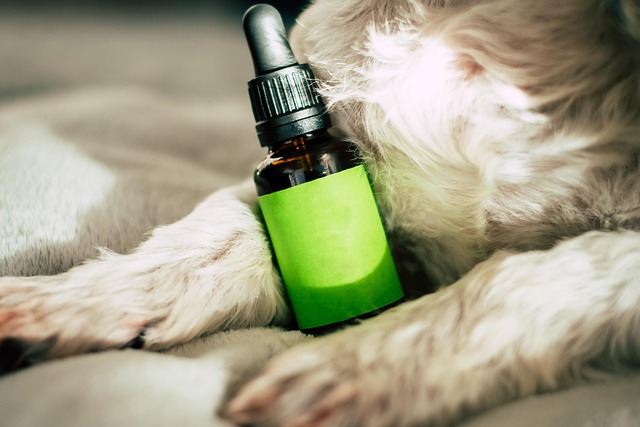
I still keep a respectful distance from tea tree oil around dogs, especially concentrated versions sold in tiny dark bottles. Maybe that caution comes from seeing too many preventable scares over the years. Either way, I would rather a client call me overly careful than watch another shaky dog get rushed into a clinic because somebody assumed plant-based always meant harmless.