
Many dog owners lose sleep when their pet barks or whines in the crate. This behavior is common, especially in puppies or newly adopted dogs. It can be frustrating, but it usually has clear reasons. Understanding those reasons helps you solve the problem.
Why Dogs Bark in the Crate at Night
Dogs bark at night for different reasons, and each one needs a different approach. Some dogs feel anxious when left alone, especially if they are not yet used to the crate. Others may bark because they have extra energy that was not used during the day. A tired dog sleeps better.
Hunger or needing to go outside can cause barking. Puppies under 4 months often can’t hold their bladder for more than 3 to 4 hours. This leads to restlessness and noise. Age matters.
Noise from outside can also trigger barking. A passing car, another dog, or even a small sound can wake your pet. Dogs have sensitive hearing. Small things feel big to them.
Sometimes, dogs bark simply because they want attention. If they learn that barking brings you to them, they will repeat it. This habit can grow quickly if not managed early.
Creating a Calm and Comfortable Crate Space
A comfortable crate setup can significantly reduce barking. Many pet owners look for guidance online, and some find helpful advice on how to stop dog barking in a crate at night through training resources and expert tips. A proper setup makes your dog feel safe.
Place the crate in a quiet area where your dog can still feel close to you. Some dogs relax more when the crate is in the bedroom. Others prefer a calm corner of the house. Try both and see what works.
Use soft bedding inside the crate. A familiar blanket or toy can help your dog feel secure. The scent of home is comforting. It matters more than you think.
Keep the temperature comfortable. Too hot or too cold can make your dog restless. Partially covering the crate can also create a den-like feeling. Many dogs love that.
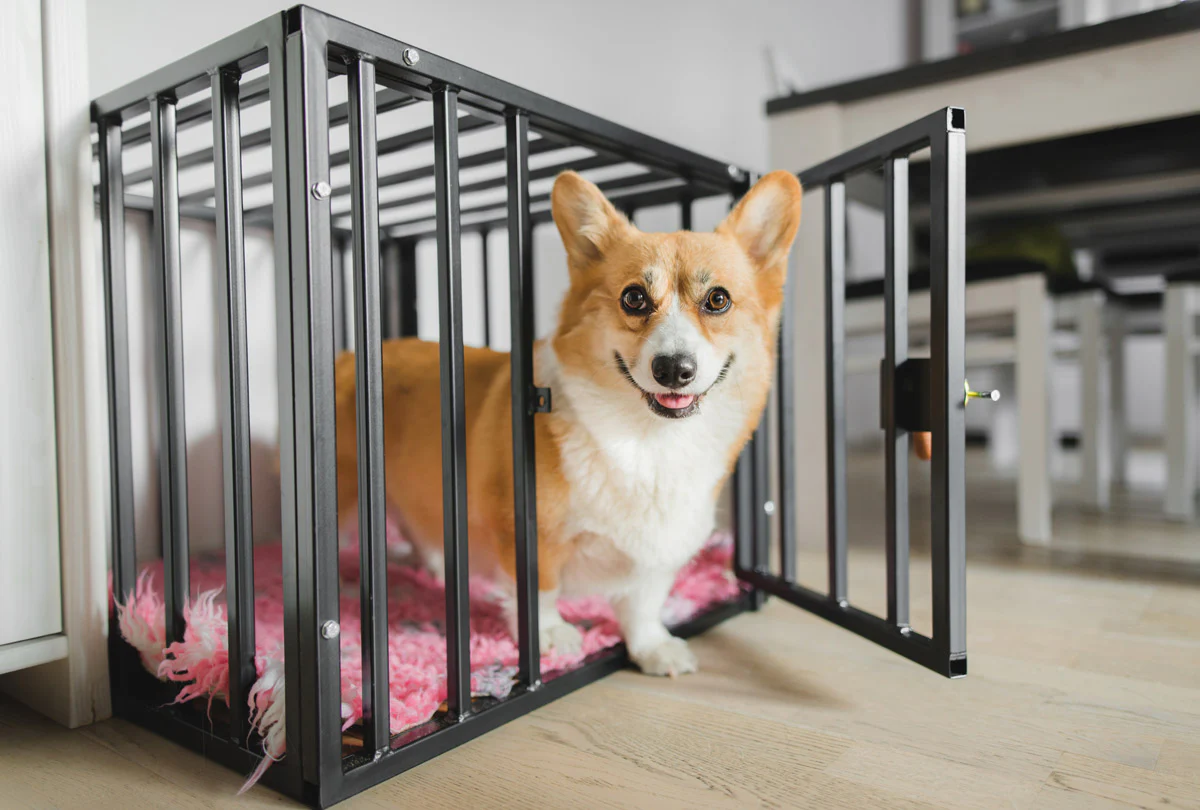
Training Your Dog to Stay Quiet at Night
Training plays a big role in solving nighttime barking. Start by making the crate a positive place during the day. Feed meals inside the crate and give treats when your dog enters willingly. This builds a good association.
Practice short crate sessions during the day. Begin with 10 minutes and slowly increase the time. This helps your dog adjust without stress. Slow progress works best.
Ignore barking when you are sure your dog’s needs are met. Responding every time can reinforce the behavior. Wait for a moment of silence before giving attention. Timing is important.
Consistency matters a lot here, because if one night you respond to barking immediately and another night you ignore it, your dog becomes confused and is more likely to bark even longer in hopes of getting a response.
Daily Routine That Supports Better Sleep
A well-planned daily routine can reduce barking at night. Dogs need both physical and mental activity to stay calm. A walk of at least 30 minutes in the evening can help burn excess energy. Playtime also helps.
Feeding time matters too. Give your dog dinner at least 2 to 3 hours before bedtime. This allows time for digestion and a bathroom break. A full stomach right before sleep can cause discomfort.
Here are a few routine tips:
- Take your dog out for a final bathroom break before bed.
- Keep a fixed bedtime each night.
- Avoid exciting play just before sleep time.
- Use calm voice tones in the evening.
Small habits create a stable routine. Dogs respond well to structure. A predictable day leads to a peaceful night.
When Barking May Signal a Bigger Issue
Sometimes barking is more than a simple habit. Dogs with separation anxiety may panic when left alone, even in a crate. This can lead to loud barking, scratching, or attempts to escape. These cases need extra care.
Health problems can also disturb sleep. Pain or discomfort may cause your dog to wake up and bark. If the behavior starts suddenly, a vet visit is a good idea. Always check for changes.
Older dogs may bark at night due to confusion or reduced senses. This is common in senior pets. They may need a different sleeping arrangement. Comfort becomes more important with age.
If the problem continues despite training and routine changes, a professional trainer can help. Expert guidance often solves stubborn cases faster.
Helping your dog stay quiet in the crate at night takes patience, routine, and understanding. Small changes in environment and training can bring big results over time. With consistent effort, your dog will feel safe, relaxed, and ready to sleep peacefully through the night.