
Cats are fascinating creatures with unique behaviors that often confuse observers about their role in the food chain. They possess hunting skills and agility that make them effective predators. At the same time, smaller cats can become prey for larger animals in the wild.
Understanding this dual role helps explain their instincts, movements, and behaviors in both domestic and natural settings. Their status can vary depending on species, size, and environment.
The Hunting Instinct of Cats
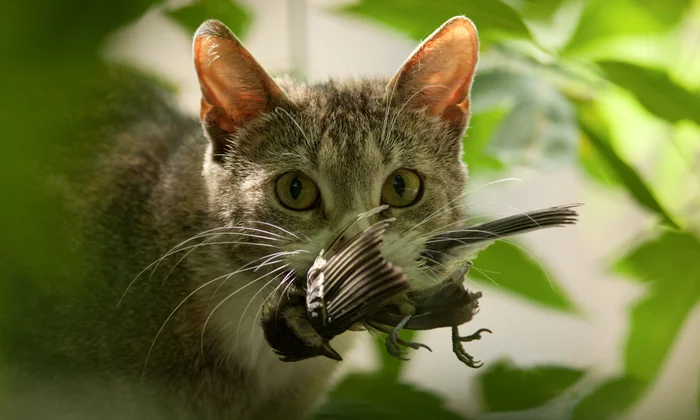
Cats are natural hunters, with physical adaptations that make them skilled predators. Their sharp claws, keen eyesight, and fast reflexes enable them to catch small animals such as mice, birds, and insects. Even domestic cats exhibit hunting behaviors, often stalking toys or small objects as if they were prey. Hunting provides both physical exercise and mental stimulation for cats. It is an essential part of their biology and daily routine.
Feline hunting techniques are precise and calculated. A cat will often observe and stalk before pouncing, minimizing energy expenditure while maximizing success. This method has evolved over thousands of years to ensure survival. Some studies report that a single feral cat can catch dozens of small animals in a week. Such behaviors underline why cats are widely considered predators in many ecological settings.
When Cats Become Prey
Despite their hunting abilities, cats are not invincible. Smaller cats, kittens, and even some adult cats can fall prey to larger predators such as coyotes, eagles, and other wild cats. Awareness and avoidance are key survival strategies for cats in these situations. They rely on camouflage, quick reflexes, and hiding places to escape threats. This survival instinct is especially strong in outdoor or feral cats.
If you want to understand the balance between predation and vulnerability in cats, you can find helpful guidance on resources like ? Are cats predators or prey? These sources discuss how cats impact ecosystems as hunters while also needing protection from larger threats. Observing these dynamics in wild populations gives insight into feline behavior and conservation challenges. It also highlights the dual nature of cats’ role in nature.
Kittens are particularly vulnerable during their first months. They depend on their mother for protection and learning essential survival skills. In the wild, even minor missteps can attract predators. Understanding this vulnerability explains why cats often hide or flee from perceived danger. Their cautious nature is a learned and instinctive response that continues into adulthood.
Ecological Impact of Cats as Predators
Cats play a significant role in controlling populations of small animals. They help manage rodents, birds, and insects in various environments. This predatory role can have positive and negative consequences depending on the ecosystem. In some areas, cats introduced to islands or new habitats have caused declines in native species. Awareness of their impact is crucial for responsible pet ownership and wildlife management.
Domestic cats contribute to ecological balance in controlled environments. By hunting insects or rodents, they reduce pest populations and help maintain stability. However, feral cats require monitoring to prevent ecological harm. Feeding and containment practices can mitigate negative effects. Responsible care ensures cats remain beneficial rather than disruptive in the ecosystem.
Behavioral Adaptations for Survival
Cats have developed many behaviors to survive as both predators and potential prey. They exhibit stealth, patience, and precision while hunting, but they also hide, freeze, or flee when threatened. Territorial behavior helps them avoid conflicts with larger predators. Their acute senses alert them to dangers and opportunities alike. These adaptations make them flexible and resilient in a variety of environments.
Social and solitary behaviors also influence survival. While some cats form colonies, others are solitary hunters and rely solely on their skills for survival. Learning from experience and environment plays a critical role in their success. Outdoor cats often show heightened awareness and caution compared to indoor cats. This behavioral flexibility is key to understanding their dual roles in nature.
Observing a cat’s interaction with its environment reveals much about its predator-prey instincts. Play, hunting, hiding, and alert behaviors all reflect a balance between attack and defense. Recognizing these behaviors helps owners provide better care and enrich their cat’s environment. It also offers insight into the evolutionary traits that make cats both efficient hunters and cautious survivors.
The dual nature of cats as both predators and prey highlights their remarkable complexity. Their sharp hunting instincts, combined with cautious, adaptive behaviors, ensure their survival in environments ranging from wild landscapes to our homes. By understanding these roles, cat owners and wildlife managers can make informed decisions that strengthen both pet care and ecological management. Appreciating this balance not only enriches our relationship with cats but also deepens our respect for their lasting impact on natural ecosystems and the challenges they face in the wild.