
Chronic kidney disease commonly affects older cats, seriously impacting their health and lifespan. It gradually impairs kidney function, causing symptoms like increased thirst, frequent urination, weight loss, and loss of appetite. Owners often feel anxious about life expectancy after diagnosis.
Although prognosis varies, early detection and proper management improve quality of life and may prolong lifespan. Understanding CKD stages empowers owners to make informed care choices.
Factors Affecting Life Expectancy
The life expectancy of cats with kidney disease varies depending on age, disease severity, and overall health. Cats diagnosed in the early stages of chronic kidney disease often live several years with careful management. Advanced-stage kidney disease can shorten lifespan significantly, sometimes to only a few months.
The cat’s diet, hydration, and medical treatment all play a critical role in determining outcomes. For more detailed guidance and support in managing your cat’s condition, resources such as “How Long Do Cats with Kidney Disease Live?” offer practical advice for cat owners navigating this difficult situation. Other factors, including genetics, breed, and other health problems, affect survival. Cats with hypertension or diabetes may worsen faster. Regular veterinary visits track kidney function and adjust treatment. Early intervention helps prevent complications and supports a better quality of life.le.
Symptoms and Progression:
Typical symptoms include more drinking and urination, reduced appetite, and weight loss. Vomiting or diarrhea can increase dehydration and kidney strain. Some cats hide or become less active. Early symptom recognition enables prompt veterinary care and treatment changes.
The progression of kidney disease varies between cats. Some may remain stable for years with proper diet and medication, while others deteriorate quickly. Regular blood work and urine tests can help track kidney function and detect changes before they become severe. Owners should closely monitor their cat’s behavior and physical condition. Maintaining a log of symptoms can help veterinarians effectively manage the disease.
Treatment and Care Option:
Managing kidney disease involves diet, medication, and supportive care. Special diets ease kidney workload and balance nutrients. Subcutaneous fluids may prevent dehydration in cats unwilling to drink. Medications for blood pressure, protein waste, or nausea improve comfort and may extend life. Ongoing veterinary care ensures treatments stay effective as the disease advances. Environmental factors matter too.
A calm, comfortable home lowers stress. Encourage your cat to eat with appealing, quality food and always offer fresh water. Monitoring weight and hydration is key, since even mild dehydration worsens kidney decline. Diligent owners often achieve better, longer-term outcomes.
Prognosis and Quality of Life
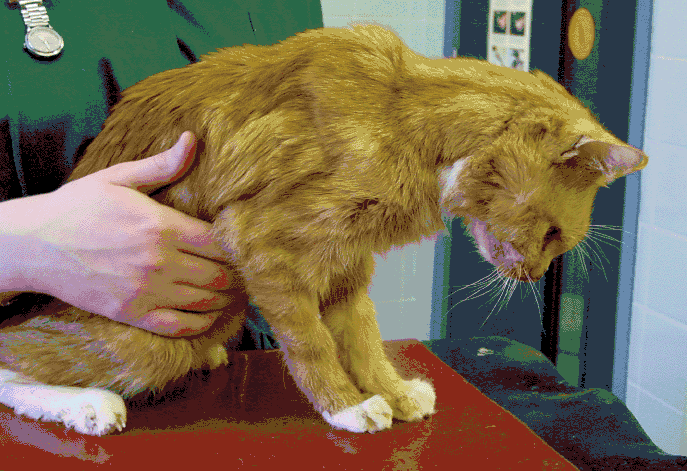
While kidney disease is not curable, many cats can live months or even years after diagnosis with proper management. The goal of treatment is to maintain a good quality of life and minimize discomfort. Early-stage cats may show only minor symptoms, while advanced-stage cats require more intensive care. Regular check-ups, proper nutrition, and monitoring for complications improve both lifespan and well-being.
Quality of life should always guide decisions about treatment intensity and intervention. Owners may face tough decisions as the disease progresses, balancing longevity with comfort. Palliative care—like pain management and supportive treatments—can help cats enjoy their remaining time. Watching appetite, activity, and social behavior reveals comfort. Staying alert to these signs enables timely, compassionate adjustments in care.
Chronic kidney disease is challenging, but attentive care helps cats remain comfortable and enjoy life longer. Monitoring symptoms, following veterinary advice, and providing support contribute to better outcomes. Understanding the disease helps owners make informed choices and keep cats as healthy and content as possible.