
I run a small in-home cat boarding setup and also foster difficult cases, so I have dealt with more urinary issues than I ever expected when I started. It shows up fast, and it can turn serious within a day or two. I have seen calm cats suddenly strain in the litter box, vocalize, and even stop eating. Over time, I have learned what helps, what wastes time, and what needs a vet right away.
How I Recognize a Urinary Problem Early
Trouble usually shows up within 24 hours. The main sign is repeated litter box visits with little output, sometimes just a few drops. Some cats avoid the box due to discomfort, which can confuse owners who blame behavior issues.
I pay attention to sound. A quiet cat suddenly crying while urinating stands out immediately, especially in a house with five or six cats rotating through foster care at any time. The smell also changes. A strong ammonia odor often indicates that the urine is more concentrated than usual.
Blood in urine is not always obvious. Sometimes it looks slightly pink, other times it is just darker than normal, and I have had to use white paper litter once to confirm what I was seeing. Small details matter here.
What I Give First Before Anything Else
Hydration comes first. I switch to wet food immediately, even for longtime dry food eaters. Moisture intake rises quickly with this simple change.
I add extra water to meals—about two tablespoons per serving, well mixed into a thick soup. Most cats take it, especially if unwell.
In one case last winter, I had a male cat that refused water bowls completely, but he started taking diluted food within a few hours, which likely prevented a full blockage that would have required emergency care.
I have also tried products from a cat urinary support supplements supplier a few times, especially for repeat cases where stress or diet seemed to trigger flare-ups, and some of them helped reduce how often symptoms came back.
Stress reduction matters too. I move the cat into a quiet room with one litter box, one food station, and no competition from other animals, because I have seen stress alone trigger urinary flare-ups in multi-cat homes.
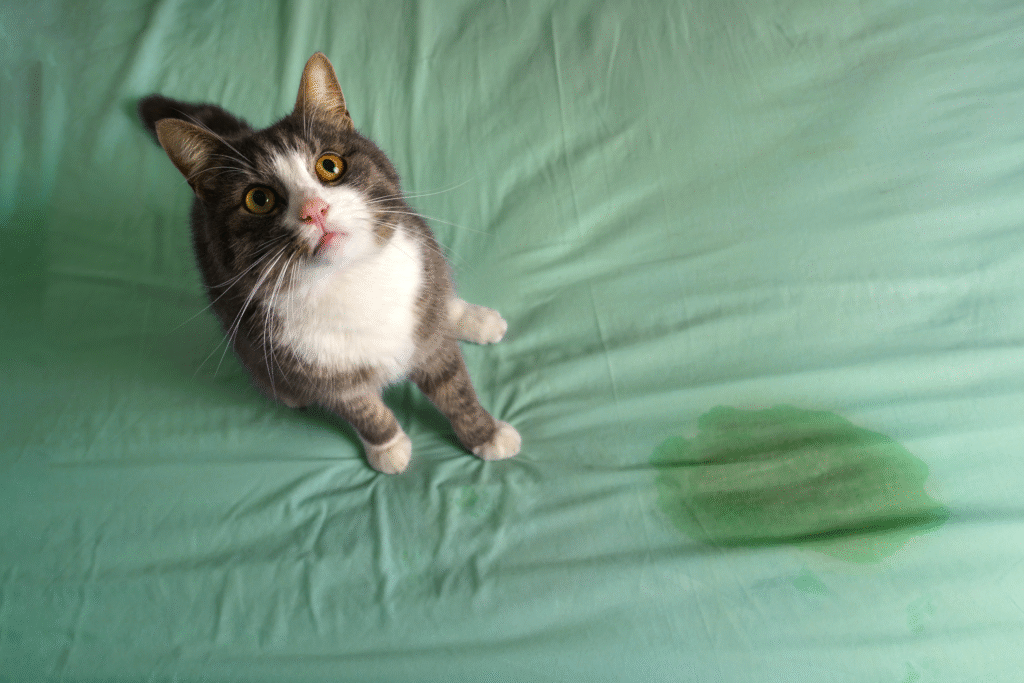
Food Changes That Actually Make a Difference
I do not treat all food the same anymore. Cheap dry food has caused more repeat issues in my experience than anything else. I have seen cats improve within 3 days of switching to a higher-moisture, better-quality diet.
I prefer simple wet food formulas. Fewer ingredients seem to sit better, especially for sensitive cats that have had 2 or 3 urinary incidents in the past year. I avoid sudden changes, though, unless the situation is urgent.
Prescription diets help; I’ve used them after urine crystals were confirmed. They dissolve over time if the cat consistently eats the prescribed diet.y.
I once had a foster that needed about six weeks on a urinary formula before his litter box habits fully normalized, and even then, I kept him on a mixed feeding routine to prevent relapse.
When I Use Supplements and what I Look For: I don’t rely on supplements; I use them for mild symptoms or recurring irritation, occasionally, and for short periods.
I look for a few things when selecting supplements: they should include ingredients like cranberry extract—though its effectiveness varies—and sometimes glucosamine, which is thought to help the bladder lining. I check that any supplement is intended for cats and follow the product instructions closely.
Dosage matters more than brand hype. I stick to recommended amounts and monitor changes over three to five days rather than expecting instant results. Slow improvement is still improvement.
Not every cat responds the same way. I have had one cat show noticeable relief in two days, while another showed no change after a full week and needed vet medication instead.
When I Stop Trying Home Care and Call a Vet
I draw a hard line with male cats. If a male cat is straining and producing nothing, I do not wait more than a few hours before calling a vet. Blockages can become life-threatening very quickly. Lethargy is a red flag. If a cat stops eating for over a day or hides constantly, I seek professional care, even if urinary signs seem minor.d.
I remember one case where a cat seemed only slightly uncomfortable, but within 12 hours, he became completely blocked, and it turned into an overnight emergency that cost several thousand dollars in treatment and monitoring.
Blood combined with pain is also enough for me. I do not try to manage that alone. I have learned that guessing wrong costs more time and causes more suffering than getting a proper diagnosis early.
Simple Things That Help More Than People Expect
Clean litter boxes matter more than most people think. I scoop twice a day in my setup, sometimes three times if I have multiple cats in one area, because cats will avoid dirty boxes and hold urine longer than they should.
I also increased the number of water stations. One bowl in the kitchen is not enough for some cats. I keep at least three in different spots, and I have seen drinking behavior improve within a week.
Temperature plays a role. Cats drink less in cooler environments, so I sometimes slightly warm wet food or add warm water to make it more appealing, especially during colder months.
Routine reduces stress. Feeding at the same time every day and keeping a predictable environment has helped me stabilize several cats that had recurring urinary flare-ups without any obvious medical cause. I keep it simple: hydration, diet, stress control, and knowing when to let a vet handle it.r.