
I’m a licensed veterinarian practicing in Texas, and I’ve spent a good chunk of my career having the same conversation with worried, well-meaning dog owners: “Doc, is this food actually good?” Blue Buffalo often comes up, usually because the ingredient list looks clean and readable at first glance. I’ve fed it to my own dogs at different points, and I’ve seen plenty of patients thrive on it—and a few who didn’t. Rather than marketing language, I focus on what those ingredients do in a real dog over time.
Protein Sources and Their Impact
Blue Buffalo’s core recipes typically start with a named meat—chicken, beef, lamb, or fish. That matters. I’ve treated enough dogs with vague protein sensitivities to know that “poultry by-product meal” doesn’t tell me much, while “deboned chicken” at least gives us a starting point.
A few years back, I had a retriever mix with chronic ear infections that cleared up within two months after we switched from a generic meat blend to a Blue Buffalo limited-ingredient formula. The owner hadn’t changed anything else. Those cases stick with you.
Carbohydrates, Fruits, and Vegetables
After the protein, you’ll usually see carbohydrates like brown rice, barley, oatmeal, or—depending on the line—peas and potatoes. That is where my professional opinion becomes more conditional. I’ve treated dogs who did perfectly well on grain-inclusive Blue Buffalo formulas. I’ve also seen problems with some grain-free versions, especially in medium- and large-breed dogs.
One case last summer involved a middle-aged shepherd who came in lethargic and exercise-intolerant. The cardiologist eventually diagnosed diet-associated heart changes, and the dog had been on a pea-heavy, grain-free Blue Buffalo recipe for years. Was the food the sole cause? No one can say that with certainty, but switching diets was part of the treatment plan.
Blue Buffalo often includes fruits and vegetables, such as blueberries, carrots, and sweet potatoes. Nutritionally, they contribute antioxidants and fiber, but in my experience, they’re more about rounding out the formula than providing miracle benefits. I’ve had clients assume those ingredients alone will fix digestive issues or joint problems. They won’t. They can help support a balanced diet, but they don’t replace proper calorie control or medical care.
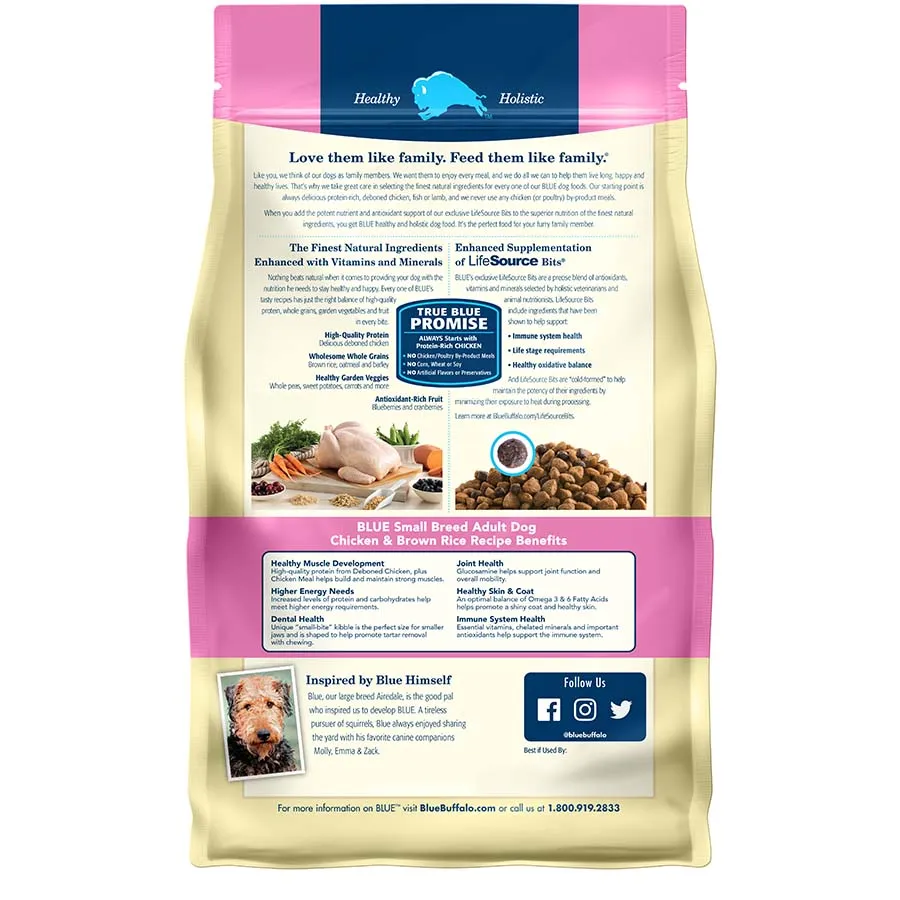
Fats, LifeSource Bits, and Common Owner Mistakes
The fats deserve attention, too. Chicken fat and fish oil show up frequently, and that’s generally a positive. I’ve seen improvements in coat quality—less dandruff, less dullness—after switching dry-skinned dogs onto these formulas. One older terrier patient stopped scratching enough that his owner canceled a follow-up appointment she was sure she’d need. Those outcomes are usually tied to consistent intake of omega-3 and omega-6 fatty acids, not gimmicks.
Then there are the LifeSource Bits—those darker, pellet-like pieces Blue Buffalo is known for. They contain vitamins, minerals, and antioxidants added after cooking. From a veterinary standpoint, there’s nothing harmful about them, but they’re not magic either. I’ve had owners pick them out by hand, thinking they were treats or fillers. They’re just another delivery method for micronutrients.
Where I see people make mistakes is assuming “natural” automatically means “right for my dog.” I’ve had to advise against Blue Buffalo for dogs with a history of pancreatitis because some formulas are too rich. I’ve also recommended it for dogs who need a clearly labeled protein source to manage allergies. The ingredient list helps me make those calls, but it’s never the whole story.
Guidance for Dog Owners Evaluating Ingredients
If you’re evaluating Blue Buffalo dog food ingredients, read past the first line. Look at the protein source, check whether the carbs fit your dog’s size and health history, and pay attention to fat levels. I’ve seen dogs do very well on specific Blue Buffalo recipes for years, and I’ve seen others improve once we moved on. The ingredients tell you a lot—but your dog’s response tells you more.
Conclusion
Blue Buffalo dog food can work well for many dogs, but success depends on matching the ingredients to your dog’s individual needs. High-quality protein, appropriate carbohydrates, healthy fats, and added micronutrients are all important—but monitoring your dog’s response is what ultimately matters. Reading the ingredient list carefully, considering your dog’s size, breed, and health history, and adjusting as needed are the keys to making any food, including Blue Buffalo, a safe and effective part of your dog’s diet.