
A Clinical Overview of Immune-mediated thrombocytopenia in Dogs
As a licensed veterinarian practicing in Texas for over 12 years, I’ve encountered countless cases that challenge both the pet and the owner. One condition that always demands vigilance is immune-mediated thrombocytopenia (IMT) in dogs.
This is a disorder in which the dog’s immune system attacks its platelets—the tiny cells responsible for blood clotting. I’ve seen firsthand how quickly this condition can escalate, and I want to share practical insights from real cases in my clinic.
A Case That Highlighted the Urgency
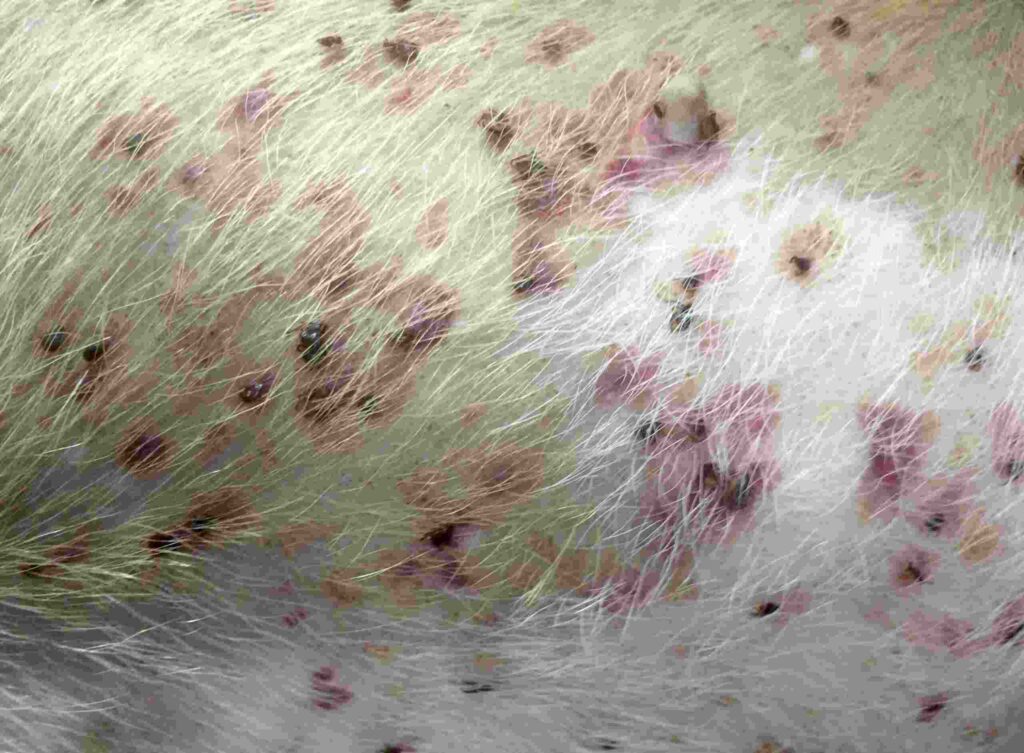
I first noticed the seriousness of IMT when a middle-aged Cocker Spaniel was brought to my clinic last spring. The owner thought the small bruises on his dog’s legs were just minor injuries from playing in the yard. By the time he arrived, the dog was already showing more alarming signs: small red spots across the gums and inner thighs, a classic symptom we call petechiae. A blood test confirmed the platelet count was dangerously low. In such situations, early recognition can literally save a dog’s life.
Subtle Symptoms Owners Often Overlook
Many pet owners assume bleeding in dogs is always caused by trauma, but in IMT, the underlying cause is the immune system itself. I once had a Golden Retriever who appeared healthy except for occasional nosebleeds.
It was only after we ran a complete blood panel that we discovered severe thrombocytopenia. In my experience, these subtle signs—minor bleeding, unexplained bruising, or lethargy—are often overlooked until the situation becomes critical.
Treatment: Suppressing the Immune Response
Treatment usually involves suppressing the immune response while supporting platelet recovery. I’ve frequently prescribed corticosteroids as the first line of defense, often in combination with drugs like azathioprine in more resistant cases. I recall a Labrador Retriever from last summer whose platelet count remained perilously low despite steroids. Adding a secondary immunosuppressant stabilized the condition, but the treatment had to be carefully monitored for side effects, particularly liver function and susceptibility to infections.
When Hospitalization Is Necessary
Hospitalization is sometimes necessary, especially if the platelet count drops below 20,000 per microliter. In one memorable case, a small Terrier was admitted after developing spontaneous bleeding in the mouth. We provided intravenous fluids, monitored vital signs, and administered medications around the clock. The owner was understandably anxious, but once the platelet count started to rise, we were able to transition the dog to at-home care with ongoing monitoring.
Possible Triggers and Underlying Causes
Owners frequently ask whether IMT was triggered by something they did or something in the dog’s environment. In most cases, the cause is idiopathic—meaning we don’t know what triggers the immune system to attack platelets—but it can also follow infections, certain medications, or vaccines. I’ve learned to take a thorough history from the owner, because past medications or recent illnesses can sometimes provide valuable clues for tailoring treatment.
Long-Term Monitoring and Relapse Prevention
Long-term, some dogs respond well and can live an everyday life, while others require intermittent treatment or ongoing monitoring. I’ve worked with clients who have learned to recognize early warning signs and bring their dogs in promptly, which often prevents severe complications. Platelet counts can fluctuate, so regular follow-up blood tests are critical. I usually tell owners, “Even if your dog seems fine, those little bruises or nosebleeds are not trivial—they could be the first signs of trouble.”
The Unpredictable Nature of IMT
What stands out most to me about IMT is its unpredictability. I’ve seen dogs recover fully within a few weeks, while others experience repeated episodes despite careful management. Patience, vigilant observation, and close collaboration with your veterinarian make all the difference.
Immune-mediated thrombocytopenia is not a condition to take lightly. My experience has shown me that early recognition, prompt treatment, and attentive follow-up can save lives. For dog owners, paying attention to subtle changes—like unexplained bruising, minor bleeding, or unusual lethargy—can make the difference between a crisis and a manageable condition.