
I run a small mobile dog grooming van and spend most of my week working one-on-one with dogs in their own driveways. Over the years, I’ve seen dogs with their tongues out for all kinds of reasons, and owners often ask about it while I’m grooming. Sometimes it’s harmless or funny, other times it requires a closer look. The reality depends on the specific dog, timing, and context.
Cooling Off and Everyday Behavior
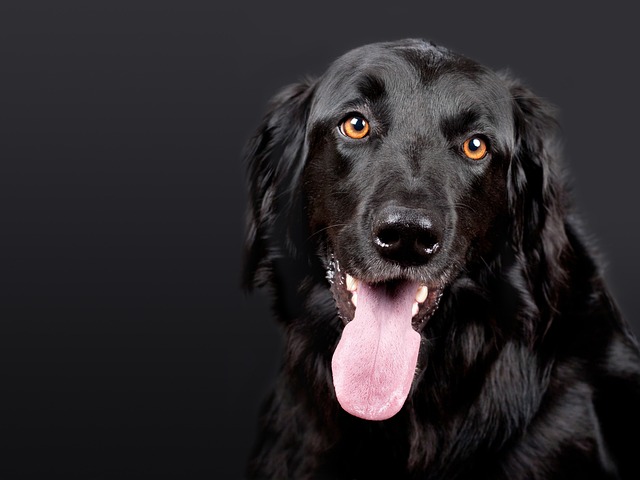
The most common reason I see a dog with its tongue out is simple heat regulation. Dogs don’t sweat as we do, so they rely on panting to cool themselves down, and that naturally pushes the tongue out. On a warm afternoon, especially in a metal grooming van, I can see this start within 10 minutes if the airflow isn’t perfect. It’s normal. It’s expected.
Some dogs just do it out of habit. I groom a white terrier who keeps his tongue out even when relaxed indoors. His owner says he’s done it since he was a puppy, with no related medical issue. In those cases, it’s just part of their personality.
Excitement plays a role, too. I’ve opened my van door and had dogs jump in, tail going wild, tongue already hanging halfway out before I even pick up a brush. That kind of energy triggers faster breathing, which leads to panting, which leads to the tongue slipping out. It’s a quick chain reaction.
Dental Issues and Tongue Position
Sometimes the reason is less obvious and tied to the dog’s mouth structure. Missing teeth can change the tongue’s position, especially in older dogs who have had extractions over the years. I’ve worked on several senior dogs who had their lower front teeth removed, and afterward, their tongues slipped out more often. There’s simply less support holding it in place.
Last spring, a client asked about this during a trim. I noticed mild swelling and suggested a vet check. They also browsed a site about dogs’ tongues while researching general pet care online. I don’t diagnose, but I know when to flag concerns. Subtle changes matter.
Jaw alignment can also play a role. Smaller breeds, especially those with shorter snouts, sometimes have slight misalignment that makes it harder to keep the tongue fully inside the mouth. It’s not always noticeable until you look closely during grooming. Once you see it, it explains a lot.
Stress, Anxiety, and Overstimulation
Not every tongue-out moment is about temperature or teeth. Stress can cause it too. I see this often during nail trims, when a dog might start panting heavily even in a cool environment, with the tongue hanging farther out than usual. That kind of panting looks different. It’s faster and more uneven.
Dogs that aren’t used to grooming environments tend to show this early. The first 5 minutes tell me a lot. If a dog is pacing, avoiding eye contact, and panting hard with his tongue out, I know I need to slow things down and adjust my approach. Pushing through it usually makes things worse.
Overstimulation can look similar. Some dogs are overwhelmed by noise, movement, or prolonged handling. One young shepherd mix started fine, but after 30 minutes, panted heavily despite no change in the van’s temperature. A short break quickly resolved it.
Medical Causes You Shouldn’t Ignore
There are times when a dog’s tongue being out is a sign of something more serious. Heatstroke is one of the big ones. If a dog is panting excessively, drooling, and seems disoriented, that’s not normal cooling behavior. That’s urgent. While I share what I see, diagnosis and treatment are always the responsibility of veterinary professionals. I’ve only seen it twice. While I share what I see, diagnosis and treatment are always the responsibility of veterinary professionals.trol. It’s rare, but I’ve seen cases where a dog couldn’t retract its tongue properly due to nerve problems. Those dogs often show other signs too, like uneven movement or difficulty eating. The tongue is just one piece of a larger picture.
Dehydration is another factor. A dry, hanging tongue, combined with lethargy, can indicate a dog is not getting enough fluids, especially during hotter months. I always keep fresh water in my van and offer it between grooming steps, and I’ve seen dogs perk up within minutes after drinking.
Breed Traits and That “Permanent Tongue Out” Look
Some breeds are just built this way. Short-nosed dogs like pugs and bulldogs often have tongues that naturally protrude a bit because of their facial structure. It’s not a flaw. It’s how they’re made. I groom at least 3 or 4 of these breeds every week, and it’s a consistent pattern.
There’s even something people call “blep,” where a dog’s tongue just rests outside the mouth slightly, often when they’re relaxed or sleepy. I see this a lot with smaller breeds, especially those under 10 kilos. Owners usually find it cute, and in most cases, it is completely harmless.
Age plays into this, too. Older dogs lose muscle tone over time, including the muscles that help keep the tongue in place. I’ve noticed that once a dog reaches around 10 or 11 years old, depending on the breed, small changes like this become more common.
I’ve learned not to jump to conclusions. A dog with its tongue out can be perfectly fine or quietly telling you something is off. The difference comes from context. Watch the behavior around it, not just the tongue itself. That’s where the real answer usually shows up.