
I run a small boarding kennel and grooming setup on the edge of town, and I have seen more than a few dogs come in after a backyard barbecue with a problem nobody expected. Rib bones seem harmless at first glance. They smell great, dogs get excited, and people assume they are natural treats. I used to think the same years ago, until I dealt with the aftermath more times than I care to count.
What Actually Happens When Dogs Eat Rib Bones
Rib bones are soft enough to splinter but hard enough to do damage, which is a bad combination. I have watched a healthy, energetic dog turn quiet and withdrawn within hours after chewing on one. The bone breaks into jagged shards, and those pieces can lodge in the mouth, throat, or further down in the digestive tract. It is not always dramatic at first, which makes it more dangerous because owners think everything is fine.
One case from last summer still sticks with me. A regular client dropped off their Labrador, and by the second day, the dog had stopped eating and was pawing at its mouth. We found small bone fragments stuck along the gums and one piece wedged near the back teeth. It took a vet visit and sedation to safely remove everything, and the dog needed a few days to recover from irritation and swelling.
Small dogs tend to struggle even more. Their mouths are smaller, increasing the risk of choking. I have seen a terrier mix gag repeatedly after swallowing a chunk too large to pass easily. That kind of situation escalates quickly, and there is very little you can do at home once the bone is stuck.
The Hidden Risks People Don’t Think About
Most people focus on choking, but that is only part of the story. Rib bones can scrape the esophagus or puncture the intestines, which leads to infections that are harder to spot early. A dog might just seem tired or lose appetite for a day or two, and by then the problem has already developed. For owners looking for safer alternatives, I sometimes point them toward resources like safe dog chew options that outline better choices without these risks.
Cooked rib bones are the worst offenders. Heat makes them brittle, and they snap into sharp pieces easily. Raw bones are often marketed as safer, but I have still seen issues with those, especially when dogs chew aggressively or try to swallow large chunks. There is no version that I fully trust.
Another thing people miss is the fat and seasoning left on rib bones. Even a small amount of grease can upset a dog’s stomach. I have had boarders come in with diarrhea after eating leftovers, and it takes a couple of days to settle their system again. That is not a crisis, but it is uncomfortable for the dog and messy for everyone involved.
What I Recommend Instead
I am not against giving dogs something to chew. In fact, I think it is a great way to keep them occupied and mentally stimulated. The key is choosing items designed for dogs, not scraps from a dinner plate. There is a big difference between a product tested for safety and a leftover bone from a rack of ribs.
In my kennel, I keep a few go-to options that have worked well over the years:
Rubber chew toys withstand strong jaws and do not break apart easily. Nylon bones are another option, though I always match the size to the dog. Some natural chews, like dried tendons, can work, but I supervise the first few times closely. No chew is completely risk-free, but these choices reduce the chances of injury compared to rib bones.
I also tell owners to watch how their dog chews. Some dogs nibble slowly, while others try to crush and swallow everything in minutes. That difference matters more than the chew itself. A calm chewer can handle more variety, but an aggressive one needs stricter limits.
Why the “Natural” Argument Falls Apart
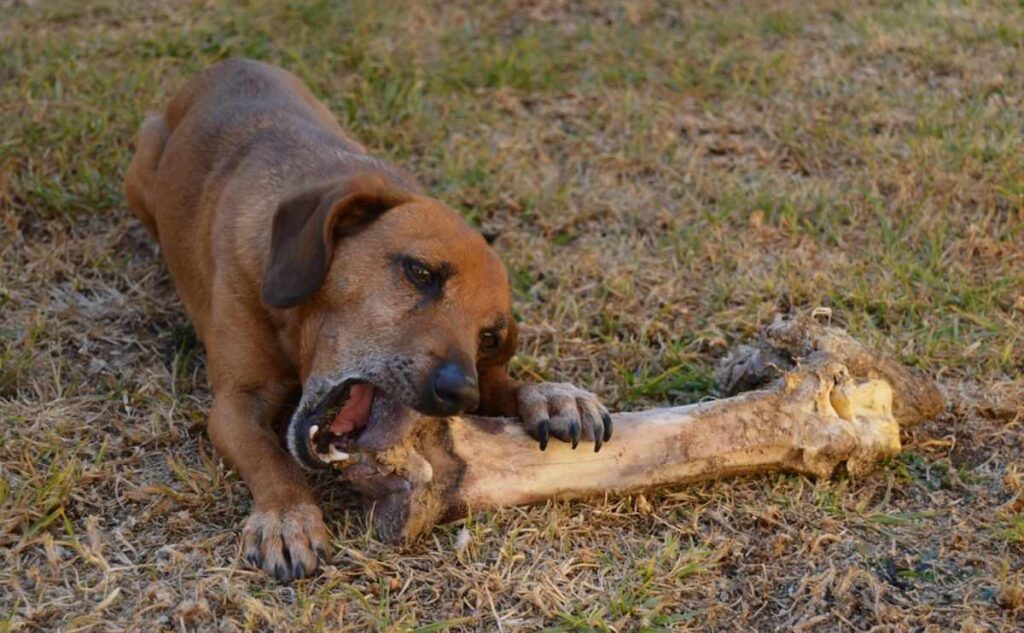
I hear it often. Dogs in the wild eat bones, so why not let them have rib bones at home? It sounds reasonable until you look closer. Wild dogs and wolves deal with injuries and internal damage all the time, but they do not have someone stepping in with surgery or antibiotics.
Domestic dogs live differently. They are not built to handle the same risks, especially with cooked food and altered diets. Over the past five years, I have seen more issues from table scraps than from any commercial dog chew. That says a lot about how these situations play out in real homes.
There is also the issue of portion and supervision. In the wild, dogs work through a whole carcass over time. At home, a dog might gulp down a single rib bone in minutes while nobody is watching closely. That change in behavior increases the chance of something going wrong.
What I Tell Every New Dog Owner
Keep it simple. If it can splinter, skip it. Rib bones fall squarely into that category. I would rather a dog miss out on one type of treat than end up at the vet with a preventable injury.
I suggest starting with safer chews and observing how your dog handles them over a few weeks. Pay attention to how long it takes them to finish a chew and whether they try to swallow pieces whole. Those small observations tell you more than any label or recommendation.
If a dog does get hold of a rib bone, watch for signs like vomiting, drooling, or sudden lethargy. Do not wait too long if something feels off. I have seen situations where acting within a few hours made a big difference in the outcome.
After years in this line of work, I have stopped taking any chances with rib bones. There are too many better options available, and I have seen enough to know how quickly a simple treat can turn into a serious problem. Dogs trust us to make the right call for them. This is one of those calls where caution pays off.