
I run a small in-home dog boarding setup outside of Columbus, and over the years, I have dealt with more poop-eating dogs than most owners expect. Some of them were puppies that grew out of it within a few months. Others were older rescue dogs with stress habits that took real work to change. The first time I saw a Labrador spin around and eat fresh stool before I could even grab a leash, I honestly thought something was medically wrong.
What I Usually Notice First
Most dogs who eat poop do not do so because they are starving. I hear that theory all the time from worried owners, but in my experience, the behavior usually ties back to boredom, anxiety, habit, or simple opportunity. Dogs are fast. A medium-sized dog can clean up the yard before you even get your shoes on.
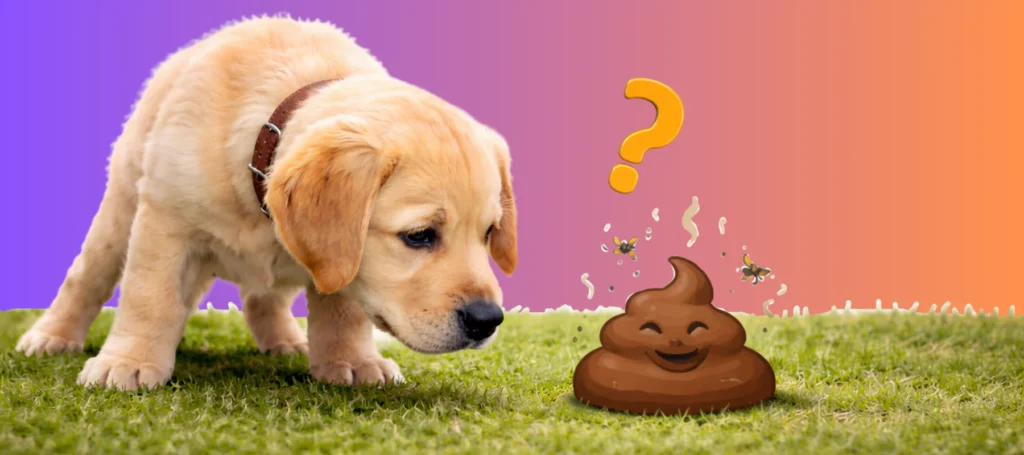
Puppies do it more than adult dogs. That part is true. I have raised litters where two pups ignored stool completely, while one puppy treated the yard like a buffet for six straight weeks. Dogs explore with their mouths, and some of them learn very quickly that poop has a strong smell and a weird texture that keeps pulling them back.
I also see it in dogs kept in cramped kennels early in life. A customer last spring brought me a nervous shepherd mix that had spent months in a crowded rescue transport chain. He ate stool almost every morning during boarding. After about 10 days of regular walks, quiet feeding routines, and supervised yard time, the behavior began to fade.
Some dogs target cat poop instead of their own stool. That is extremely common. Cat food tends to contain more protein and fat than standard dog kibble, so litter box snacks can smell appealing to certain dogs even if the owner feeds them high-quality food twice a day.
Medical Problems Can Play a Role
I never assume poop eating is purely behavioral until the dog has been properly checked over. Parasites, poor nutrient absorption, and digestive disorders can all push dogs toward strange eating habits. I have seen dogs with chronic loose stool develop the behavior after months of stomach irritation. Their systems just seemed off.
A local trainer I trust often recommends owners speak with a vet before trying every supplement on the market, and I generally agree with that approach. One clinic resource I have pointed people toward before is why dogs eat poop because it breaks down both health and behavioral causes in plain language. Too many owners jump straight to punishment without checking for an underlying issue.
Older dogs deserve extra attention here. Cognitive decline can change eating behavior in unexpected ways, especially in dogs over 10 years old. I boarded a senior beagle a while back that suddenly started eating stool after years of normal habits, and the owner later found out the dog had several age-related health problems developing at the same time.
Diet quality matters too, though people sometimes oversimplify it. Switching food can help certain dogs, especially if stool volume is large or poorly digested, but there is no magical kibble that fixes every case overnight. I have watched owners spend several hundred dollars cycling through trendy formulas while ignoring the dog’s lack of exercise and constant stress pacing.
The Mistakes Owners Make Without Realizing It
The biggest mistake I see is delayed cleanup. Dogs learn through repetition. If they get access to stool three or four times every day, the behavior becomes self-rewarding and harder to break. Quick cleanup changes the whole pattern.
Yelling usually backfires. Many dogs think their owner is chasing them during a game, especially younger retrievers and herding breeds. I have seen dogs gulp stool faster the second they notice a human sprinting toward them across the yard.
Some owners accidentally train the behavior by reacting too dramatically. Dogs notice emotion fast. One border collie I cared for would proudly trot toward his owner after grabbing the stool because the owner always panicked and flailed his arms. To the dog, it looked like exciting attention.
I tend to keep corrections simple and boring. Calm interruption works better for most dogs than loud punishment. If I catch the behavior early, I redirect the dog into another task immediately, usually a short recall drill or a quick game with a ball. Timing matters a lot here.
What Has Actually Worked for Me
Leash supervision solves more cases than fancy products do. That sounds basic, but it is true. For about two weeks, I often keep repeat offenders attached to a long lead during potty breaks so they never get the chance to rehearse the habit.
Exercise helps. A tired dog makes fewer obsessive choices. I once boarded a young husky mix that ate stool almost daily at home, but during structured boarding days with two long walks and short training sessions, the behavior disappeared completely by day four.
I also pay close attention to feeding routines. Dogs that free-feed all day sometimes develop strange yard habits because their schedule lacks structure. Fixed meals create a predictable bathroom schedule, making supervision easier and cleanup faster.
These are the approaches I rely on most often:
Immediate cleanup after bathroom breaks, leash supervision for repeat offenders, daily physical exercise, short obedience sessions, and keeping litter boxes off-limits to dogs. None of these methods sounds dramatic, but together they usually change the pattern within a few weeks.
There are supplements marketed to make stool taste unpleasant, and I have tested a handful over the years. Some dogs ignored the treated stool completely after a week. Others kept eating it anyway. Results are inconsistent. I view those products as backup tools rather than primary solutions.
Why Patience Matters More Than Quick Fixes
This habit embarrasses owners more than it bothers dogs. I understand why people panic, especially if the dog licks faces afterward or does it in front of guests. Still, most cases improve through routine management rather than harsh discipline.
Progress can be uneven. I have seen dogs go three clean weeks and suddenly relapse after a stressful weekend or boarding stay. That does not mean the training failed. Habits tied to anxiety and stimulation often fade gradually instead of disappearing in a straight line.
A calm household helps more than people think. Dogs pick up tension quickly, especially sensitive breeds that watch human reactions all day. One anxious doodle I worked with stopped scavenging almost entirely after the owner simplified the dog’s routine and reduced constant correction around the house.
I still keep an eye on any dog that suddenly starts eating stool out of nowhere, especially if appetite, weight, or energy levels change at the same time. Sometimes the behavior is just gross. Sometimes it points toward something deeper. Either way, consistency usually gets better results than frustration ever does.