
I work as a mobile cat groomer and spend most of my week moving between homes, handling cats that are calm one minute and completely unpredictable the next. One thing that always catches owners off guard is when a cat suddenly starts drooling, especially if it has never happened before. I have seen it in healthy-looking cats, anxious cats, and even older cats that seemed perfectly fine earlier in the day.
Over the years, I have learned that drooling is not a single problem but a signal that something in the cat’s body or environment has shifted.
Common reasons I see cats drooling during visits
In my daily work, drooling occurs more often than people expect, and it rarely comes from a single cause. Some cats drool when extremely stressed, especially during grooming or travel, while others drool in response to something they have eaten or licked. I remember a customer last spring whose indoor cat started drooling heavily after chewing on a houseplant leaf, and the owner had no idea the plant could irritate the mouth so quickly.
In other cases, temperature changes or strong smells can trigger a reaction. A cat I groomed in a small apartment once started drooling after the owner used a new floor cleaner with a strong citrus scent. The reaction settled once the room was ventilated, but it showed me how sensitive feline mouths and noses can be. Drooling is often the first visible sign that something is irritating the cat, even if the cause is not obvious at first glance.
Mouth and dental issues, I check first
When I see a cat drooling during grooming, the first thing I quietly check is the mouth area, since dental problems are among the most common causes. Inflamed gums, broken teeth, or even a small ulcer can make a cat produce excess saliva without warning. In many homes I visit, owners are surprised when I gently point out tartar buildup that they had never noticed before.
Sometimes the issue is not visible without closer inspection, which is why I always recommend proper veterinary evaluation when drooling continues for more than a short period. In a few cases, I have seen cats improve only after dental cleaning and treatment for hidden infections that were not obvious at home. For owners who want professional help with grooming and basic health observation during care sessions, I often suggest that my cat drooling, as routine handling can reveal early warning signs before they become serious problems.
Saliva changes can also point to something more painful, like a foreign object stuck between teeth or under the tongue. I once worked with a cat that kept drooling and pawing at its mouth, and it turned out to be a small piece of plastic thread caught near the back molar. The moment it was removed, the drooling stopped almost immediately, which reinforced how quickly oral discomfort can escalate in cats.
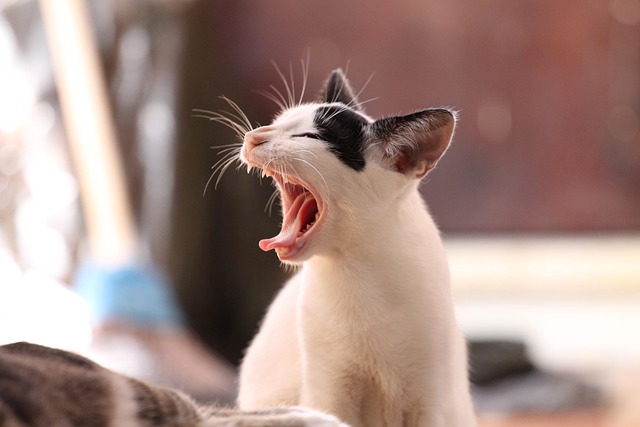
Stress, nausea, and environmental triggers, I notice
Not all drooling comes from the mouth itself. I have handled many cats that begin salivating heavily when they feel stressed or nauseated, especially during travel or grooming sessions. One cat I worked with would start drooling the moment it entered its carrier, even before the car engine started, which told me it was more of an anxiety response than a physical illness.
Motion sickness is another factor I see in some cats during longer drives. Drooling usually occurs alongside restlessness, vocalization, or attempts to hide inside the carrier. I always advise owners to observe whether drooling occurs in specific situations, because patterns often point to stress or digestive discomfort rather than a chronic condition.
Environmental irritants can also play a role. Strong cleaning products, smoke, or even certain foods can trigger excess saliva production in sensitive cats. I have walked into homes where a freshly cleaned floor or a new air freshener was enough to make a cat drool, and I avoided certain rooms until the smell faded. These reactions are usually temporary, but they can look alarming if you have never seen them before.
When I tell owners it is time to see a vet
There is a clear point at which drooling stops being a minor issue and becomes something that requires medical attention. If a cat continues drooling for more than a few hours without any clear trigger like stress or smell, I always advise owners not to wait. I have seen cases where drooling was the first visible symptom of a deeper infection or toxin exposure that needed immediate care.
Another red flag is drooling alongside other symptoms, such as loss of appetite, lethargy, or pawing at the face. During a grooming visit, a normally active cat suddenly became quiet, started drooling heavily, and refused treats; the owner later found out it had a throat infection requiring medication. These combined symptoms are never something I ignore or downplay.
Even if the cause turns out to be minor, getting a professional opinion provides peace of mind and prevents minor issues from escalating. I have learned that cat owners often notice drooling first but are unsure how serious it is, so I always encourage them to trust their instincts when something feels off. Early action usually makes treatment simpler and recovery much smoother for the cat.
After years of working closely with cats in different environments, I have come to see drooling as a small but important message from the animal. Sometimes it is harmless and short-lived, and other times it is the earliest sign of something that needs attention. Paying close attention to timing, behavior, and surroundings usually tells more of the story than the drooling itself.