
I run a small cat boarding room behind a veterinary clinic in western Pennsylvania, and I spend most of my days watching how cats react to unfamiliar spaces. Over the years, I have seen cats wedge themselves happily into laundry baskets, cardboard boxes, and carriers that barely seem large enough to turn around in. I have also seen cats panic the second a kennel door closes, even if the space itself is clean, quiet, and larger than what they use at home. That contrast is what usually gets people asking whether cats can actually be claustrophobic.
What Claustrophobia Looks Like in Cats
I do think some cats experience something close to claustrophobia, though I wouldn’t use the word casually for every nervous cat. A frightened cat in a carrier is not always afraid of the size of the space itself. Sometimes the panic comes from losing control, hearing strange noises, or smelling unfamiliar animals nearby. Cats process environments through scent and escape routes, so being trapped without options can trigger a strong reaction very quickly.
One older tabby I boarded a few winters ago refused to enter any enclosed sleeping cubby, even though he had one at home. He would crouch near the kennel door and keep his eyes fixed on movement in the hallway for hours at a time. The moment someone covered part of the kennel with a towel, he began scratching frantically at the latch. That cat slept best in an open wire condo with a perch high enough for him to monitor the room.
Body language matters a lot here. A cat hiding under a bed is usually choosing a safe retreat, whereas a cat throwing itself against the sides of a hard carrier while drooling and vocalizing is not. I watch for flattened ears, rapid breathing, stiff posture, and repeated escape attempts. Some cats stop eating after only 12 hours in a stressful enclosure.
Veterinary visits often make this behavior more obvious. Cats can tolerate a carrier at home and then completely unravel once the car ride starts or the clinic becomes noisy. I have seen calm cats become wild enough to injure themselves trying to push through the front grate of a plastic carrier. That reaction is rarely stubbornness. Fear changes everything.
Why Enclosed Spaces Comfort Some Cats
The confusing part is that many cats actively seek out tiny spaces on their own. I have watched healthy adult cats ignore expensive cat trees just to sleep inside a shipping box that still smelled like packing tape. Small spaces can reduce visual stimulation and make cats feel protected from behind and above. That instinct goes back a long way.
One of the local rescue groups I work with recommends partially covered kennels for newly surrendered cats because the reduced exposure often helps them settle faster. A volunteer there once showed me a calming setup they copied from advice posted on cat care resources during a stressful intake season. The setup used soft bedding, elevated hiding shelves, and quiet lighting rather than forcing interaction too early. The difference in behavior after two or three days was noticeable.
Young cats especially tend to love tight spaces. Kittens crawl into dresser drawers, under couches, and behind appliances with almost reckless confidence. Their curiosity often outweighs caution. Older cats can change over time, especially after traumatic experiences such as travel, surgery, or prolonged stays in shelters.
I once cared for a gray female cat who spent nearly every afternoon squeezed into a fabric cube barely wider than her body. She looked completely relaxed there. The same cat panicked in a closed carrier during transport and once urinated from stress before we even backed out of the parking lot. Context matters more than square footage.
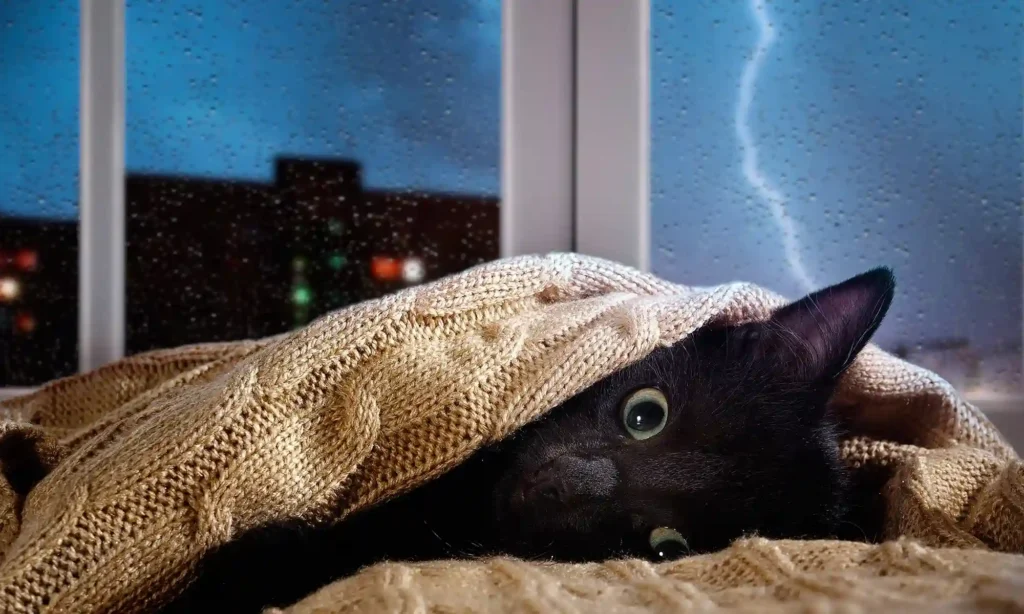
Signs a Cat Feels Trapped Instead of Secure
There is a difference between a cat choosing a hiding spot and a cat feeling cornered. I tell owners to pay attention to what happens when the cat realizes escape is not possible. A secure cat will usually relax, groom, or sleep. A distressed cat keeps scanning for exits.
Carrier training reveals a lot. Cats that willingly nap in open carriers at home often travel with less stress because the carrier already smells familiar and predictable. Cats that only see the carrier before a vet appointment tend to associate it with restraint and discomfort. That pattern builds over time.
Some reactions are subtle. A cat does not need to scream or claw to be overwhelmed. I have boarded cats that became completely silent, tucked themselves into rigid crouches, and refused food for nearly two days after being placed in enclosed kennels. Quiet stress can be easy to miss.
A few years ago, a customer brought in a large Maine Coon mix with a custom backpack carrier that had a plastic viewing bubble on the front. It looked impressive, but the cat hated it. He kept turning his head away from the clear dome and pressing himself against the back panel where he could not see movement around him. We switched him to a plain, soft-sided carrier with mesh ventilation, and he settled within 20 minutes.
How I Reduce Stress Around Carriers and Small Rooms
I rarely force a frightened cat into an enclosed space unless safety requires it. Most cats respond better when they can investigate the area first. In the boarding room, I leave the carriers open for several hours before transport so the cats can come and go on their own terms. It takes patience.
Strong smells make things worse fast. I stopped using heavily scented cleaners years ago after noticing how many nervous cats reacted to them. Now we clean with milder products and maintain steady airflow throughout the room. A stressed cat notices every detail.
I also avoid staring directly into the eyes of fearful cats during intake. That sounds minor, but direct eye contact can increase tension in already nervous animals. Quiet movement helps more than people realize. Even lowering the volume of jangling keys and barking dogs nearby can change how a cat behaves inside a kennel.
For cats with severe confinement stress, I suggest practicing with very short sessions at home. Leave the carrier out for a week. Toss treats inside. Feed meals nearby. Let the cat enter voluntarily instead of grabbing and stuffing it inside seconds before leaving the house. Tiny routines build familiarity over time.
Medication sometimes becomes part of the conversation. I have seen anti-anxiety medication help cats that otherwise injured themselves during travel or veterinary handling. That decision belongs with a veterinarian, though, especially for older cats or animals with underlying health problems. Stress can look similar to pain in some cases.
I have never believed every cat is naturally comfortable in tight spaces just because social media is full of photos showing cats packed into bowls and shoeboxes. Some genuinely enjoy it. Others tolerate it. A few panic the second they lose control over their surroundings. After spending years around boarding cats, I think the real question is less about square footage and more about choice. Cats usually cope better when they feel they still have one.