
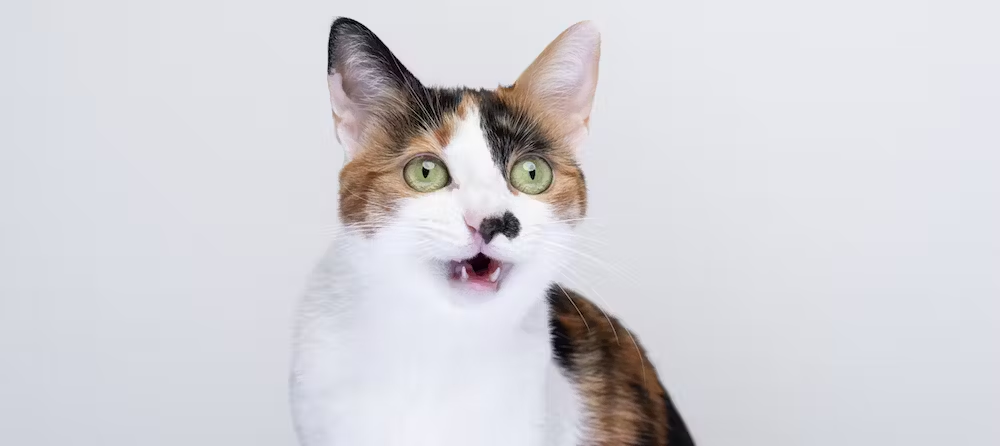
Cats often show strange behaviors that leave owners confused or worried. One such behavior is when a cat keeps its mouth open for a few seconds or longer. This can look unusual, especially if it happens often or without a clear reason. Understanding the causes of this habit can help you decide whether it is normal or needs attention.
The Flehmen Response and Normal Behavior
One of the most common reasons a cat opens its mouth is something called the Flehmen response. This behavior allows cats to analyze scents more deeply by using a special organ in the roof of their mouth. When a cat smells something interesting, it may pause, open its mouth slightly, and appear frozen for a few seconds.
This reaction is completely normal and often happens when cats encounter new smells. It may occur after sniffing another animal, a new object, or even a person. The open mouth helps transfer scent particles to a special sensory organ.
The Flehmen response usually lasts around 5 to 10 seconds. After that, the cat returns to normal behavior. Nothing to worry about.
Possible Health Issues Behind Open Mouth Behavior
While some cases are harmless, an open mouth can sometimes signal a health issue. Breathing problems are one example. If a cat is breathing through its mouth instead of its nose, it may be struggling to get enough air.
Many pet owners search for answers using guides like why does my cat have his mouth open to understand when this behavior might be linked to illness rather than normal scent detection. These resources explain that respiratory infections, asthma, or nasal blockages can force a cat to breathe through its mouth, which is not typical behavior and should be checked quickly.
Dental issues can also cause this behavior. Pain in the mouth, gums, or teeth may lead a cat to keep its mouth slightly open. This is often accompanied by drooling or difficulty eating.
Signs That Indicate a Serious Problem
It is important to observe your cat closely when it keeps its mouth open. Some signs suggest that the issue may be serious and needs immediate attention. Small details can reveal a lot.
Here are warning signs to watch for:
– Rapid breathing or panting for more than 1 minute
– Drooling or bad breath
– Loss of appetite for over 24 hours
– Lethargy or unusual tiredness
– Coughing or wheezing sounds
If your cat shows two or more of these signs, it is best to contact a veterinarian. Early care can prevent complications. Quick action matters.
Heat and Stress as Possible Causes
Heat can cause a cat to open its mouth, especially in warm environments. Cats do not sweat like humans, so they may pant to cool down. This behavior is rare in cats but can happen when temperatures rise above 30°C or during intense activity.
Stress can also play a role. Loud noises, unfamiliar surroundings, or sudden changes in routine may make a cat anxious. In some cases, this stress response may include open-mouth breathing or unusual facial expressions.
Short episodes are usually not dangerous. However, repeated or long-lasting episodes should be monitored closely. The environment affects behavior.
Dental and Oral Health Problems
Dental issues are another common cause of this behavior. Cats with gum disease, broken teeth, or infections may keep their mouths open due to discomfort. This pain can make normal actions like eating or grooming difficult.
Bad breath is often a strong indicator of dental problems. If your cat’s mouth smells unusually strong or foul, it may be dealing with an infection. Regular dental care helps prevent these issues.
Oral injuries can also lead to this behavior. A cut or an object stuck in the mouth can irritate the mouth, making the cat hold its mouth open. Careful inspection may reveal the problem.
When to Visit the Veterinarian
Not every open-mouth moment is an emergency, but some situations do. If the behavior is frequent, lasts longer than a few minutes, or appears alongside other symptoms, a vet visit is necessary. Trust your observation.
Veterinarians may perform a physical exam, check breathing, and inspect the mouth for signs of infection or injury. In some cases, tests such as X-rays or blood tests may be needed to identify the cause.
Getting a diagnosis early can make treatment easier and more effective. Delaying care may worsen symptomas. Health should come first.
Cats can open their mouths for simple reasons like smelling something new, yet it can also signal discomfort or illness in certain cases. Paying attention to behavior, duration, and additional symptoms helps you understand the situation better and ensures your cat stays safe and comfortable every day.