
I work as a mobile veterinary technician in Faisalabad, making home visits, where pet owners often call me for digestive issues in cats. One of the most common concerns I hear is constipation, especially in indoor cats with low activity and dry food diets. Pumpkin comes up in almost every third household conversation I have with cat owners.
What constipation looks like in cats during home visits
When I arrive at a home where a cat is suspected of being constipated, I usually start by observing behavior before touching anything. Many cats will sit in the litter box longer than usual, strain without producing much, or avoid it altogether for a day or two. I have seen this pattern in both young and older cats, especially in apartments where space for movement is limited.
In one case, during a routine evening visit, a client mentioned their cat had not passed stool properly for nearly three days and was becoming noticeably irritable. The cat kept going in and out of the litter tray, which is often a clear sign that something is wrong in the digestive tract. After basic checks and a diet discussion, constipation was identified as the main issue.
Most owners assume constipation appears suddenly, but I usually explain that it builds slowly over time. Low water intake, too many dry treats, and lack of fiber are common contributors I see across households. Cats are subtle about showing discomfort, so by the time owners notice, the stool is often already dry and hard.
During these visits, I avoid rushing into solutions and instead focus on diet history. I ask what the cat has been eating for the past week, not just the last meal. This helps me understand whether the constipation is occasional or part of a recurring pattern that needs long-term correction.
Where pumpkin fits in my routine cases
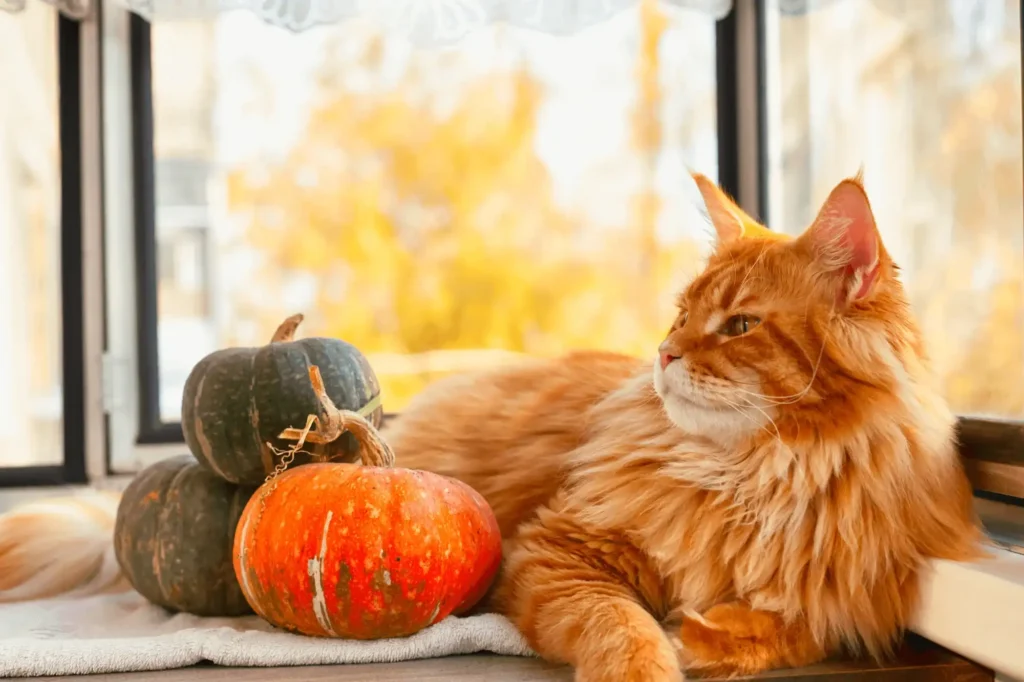
In my daily work, pumpkin is one of the simplest fiber options I recommend for mild constipation. I have seen it help soften stool in otherwise healthy cats that are slightly dehydrated or lack dietary fiber. It is not a cure for severe blockage, but it can support gentle bowel movements in many mild situations.
On a busy afternoon last spring, I visited a home where two indoor cats were both showing early signs of constipation after a diet change to a cheaper dry food. I suggested adding a small amount of plain pumpkin puree to their meals while also increasing water intake. The owner later told me the litter box activity normalized within a couple of days, though I always remind people that results vary.
For pet owners who prefer professional products or need structured dietary support, I sometimes point them toward a veterinary clinic near me that stocks fiber supplements and can assess whether pumpkin alone is enough for the situation. In many households I visit, having a professional backup option helps owners feel more confident in managing their cat’s condition. I also remind them that persistent constipation needs proper veterinary evaluation rather than home adjustments alone.
Pumpkin works mainly because of its fiber and moisture, which help bulk and soften stool. I have seen it work best in cats that are still eating normally and showing only mild discomfort. Once vomiting or severe lethargy appears, I immediately advise stopping home remedies and seeking clinical care instead.
How I recommend giving pumpkin safely
When I suggest pumpkin, I always emphasize moderation because too much fiber can cause the opposite problem. In most home cases, I recommend a small spoon of plain cooked pumpkin mixed into wet food. Cats usually accept it better when it is blended rather than served separately.
I remember one household where the owner tried giving too much pumpkin at once, thinking more would solve the issue faster. Instead, the cat became slightly gassy and less interested in food for a short period. After adjusting the amount down to a smaller portion, things settled much more naturally within a day.
In my experience, consistency matters more than quantity. A steady, small dose over a couple of days often works better than a large single serving. I also advise owners to ensure their cat is drinking enough water, as fiber without hydration can make stool harder rather than softer.
Some cats simply do not respond well to dietary fiber changes, and I have seen that in older cats with underlying digestive issues. In those cases, pumpkin is neither harmful nor effective. That is usually the point where I suggest a full dietary review with a vet rather than continuing home trials.
When pumpkin is not enough for constipation
There are situations where pumpkin should not be relied on at all. If a cat has not passed stool for several days and shows signs of pain, I treat it as a more serious case that requires medical intervention. I have seen a few cases where owners delayed care too long, thinking dietary fiber would eventually fix it.
During one home visit in a small neighborhood near my regular route, I encountered a cat that was lethargic, dehydrated, and visibly uncomfortable. The owner had been trying pumpkin for almost a week without improvement. In that situation, I advised immediate veterinary attention because the problem had likely progressed beyond simple constipation.
Severe constipation can sometimes lead to obstruction or impacted stool that cannot be resolved with diet alone. I always explain that pumpkin is supportive, not corrective, for advanced cases. The key differences I watch for are energy level, appetite, and the frequency of attempts to use the litter box.
Even in milder cases, I continue to monitor during follow-up visits or client messages. If there is no improvement within a short period, I shift the advice toward clinical treatment options. Quick response time usually prevents complications and makes recovery smoother for the cat.
From my field experience, pumpkin is a helpful tool, but only within a narrow range of situations. It works best when used early, in small amounts, and alongside proper hydration. I treat it as part of a bigger care approach rather than a standalone fix for digestive issues.
Most cat owners I work with appreciate having a simple option they can try at home before moving to stronger interventions. Still, I always keep the focus on observation and timely action, because cats rarely show discomfort until things have already progressed. That balance between home care and professional support is where pumpkin fits most naturally in my daily practice.